
2016 Moments of the Month

December 2016
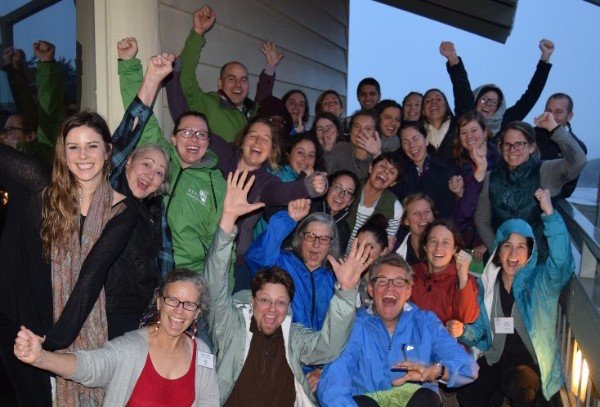
School Garden Support Organizations unite! We hosted 19 school garden support organizations from across the nation for a week-long institute in early December to share successful program models and best practices for supporting school gardens. These 30 people and their organizations serve more than 270,000 students, and the group included both long-time leaders and fledgling programs for a vibrant exchange of ideas and perspectives. It was a truly inspiring week, capped with an evening of networking with school garden educators from our greater Santa Cruz region. The excitement continued this month when our fantastic partner, Whole Kids Foundation, confirmed that they look forward to collaborating with us to host a second annual SGSO Institute in 2017!
Participants had this to say at the end of the week:
“The SGSO Leadership Institute provided fantastic resources and set us up to lead effective trainings. We are already communicating with other participants around the US to share resources and questions.”
“We can't wait to get to work! We are so inspired!”
“Thanks for your vision and leadership!”
November 2016

Learning and tasting the 6 plant parts.
Healthy Eating is FUN in our Blooming Classroom! We always taste fruits and vegetables in our garden programs, and many teachers and parents are surprised at how the children react. In the fun and dynamic context of garden program, where they get to see healthy foods growing and pick some of them fresh, kids love beets, kale, chard, broccoli and other foods that many parents are used to seeing them reject. The secret: it has to be interesting and FUN!
Of the 452 Pajaro Valley elementary school kids tasting foods at our Blooming Classroom educational garden in Watsonville over the last school year, 48% were trying something for the first time, and 58% LOVED what they tried, with another 10% liking it. That newfound taste spills over into what they choose at the school cafeteria and ask for at home. Lifelong healthy eating habits start here.
October 2016

October was National Farm to School Month, and we were busy! The photos above are from trainings we led this month for more than 250 teachers in Bend, OR, and Santa Cruz, Watsonville, Salinas and Ventura, CA. In these workshops, tours and conference sessions, we shared best practices for garden-based science, language, nutrition, and environmental education that we've learned from 37 years of programs with children here in California and from great colleagues we work with across the country.
Our trainings inspire educators to inspire children through garden-based learning programs:
"I liked everything! Ideas, activities, book, connections with the experts. Thank you!"
"I will use so many new activities! I'm so excited to utilize the online resources, as well as the human resources from the group!"
~ Participants in The Growing Classroom workshop in Bend, OR, October 22-23, 2016
"Thanks a lot! It was really worthwhile coming from Brazil!"
~ Dietician and Consultant for the U.N. Food and Agricultural Organization, Sao Paulo, Brazil - School Garden Tour and Plant it, Grow it, Eat it! workshop in Santa Cruz, CA, October 13-14, 2016
September 2016

These second graders from Boulder Creek Elementary School had a great time picking apples and pressing them into fresh cider in the Apple Room at our Garden Classroom in Santa Cruz last month. In addition to tasting fruit straight from the trees, students on our fall Farm to Fork field trips learn about (and eat!) the six plant parts, reinforcing Next Generation Science Standards on plant structure and function. In our outdoor kitchen they talk about the many varieties and wonders of corn while grinding some into meal and making fresh tortillas from masa. A toast to the sun, soil, water and air and a visit to our chickens and bees round out the lessons and fun for their day on the farm.
And those rosy cheeks? Beet prints from freshly harvested roots! We hope autumn is bringing you a fun and healthful harvest, too.
August 2016

These FoodCorps garden educators aren't sticking their tongues out at you! They're showing off their "garden candy" ... edible borage flowers they're about to eat. (Have you ever tried them? They taste like cucumber! Pinch the flower gently to pull it away from its fuzzy base.)
This was one of many fun and engaging lessons for gardening with kids that Life Lab leaders Whitney Cohen and John Fisher shared at a three-day national training for FoodCorps members in Oregon. August was full of workshops as the new school year begins: Life Lab provided professional development for more than 300 educators whose work influences the lives of over 120,000 children!
July 2016

It's camp season here at Life Lab, and like these fresh-picked beets, it's been big! More than 300 children from 4 to 18 years old are part of our Garden Sprouts and Wildlands & Watering Cans day camps this season at our Garden Classroom, either as campers or as part of our OWLS and EAGLES leadership programs for older youth to work with our staff to host the programs.
With two weeks of active, healthy, inspiring fun in the garden, on the farm and in the surrounding meadows and woods, children can connect deeply with nature and each other, learn where food comes from, and enjoy healthful snacks they make together each day. We love the joy and energy they bring to our garden each day in summer!
Camp is sooooo big this year, it deserves a second photo this month! Here you go:

No, potatoes do not fall from the sky! Our campers can tell you that after having fun digging farm potatoes for their Friday "farmers market" in our garden for their parents.
We hope you're having a fun and healthy summer, too!
May 2016
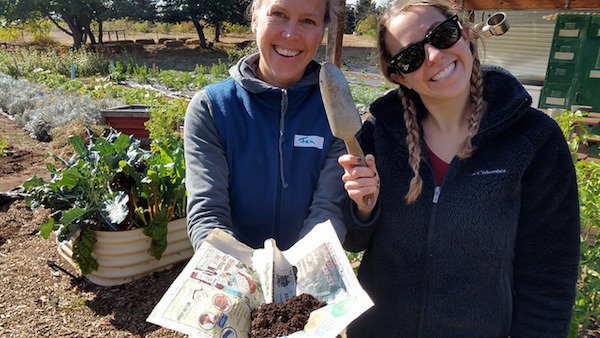
It used to be that teachers felt like they had to "sneak" garden-based science lessons into their students' education. This week we saw first hand how the tide is turning and hands-on, minds-on, inquiry-based, outdoor science education is being encouraged in schools! This, in turn, leads to a deeper exploration of outdoor science also in the classroom. For example, a normally dull lesson about the periodic table can be made more engaging by linking it to the outdoor world explored in a recent garden-based lesson - especially if educational toys for science are used as well.
Donna Casanova, the K-12 Science Supervisor for the Providence Public Schools in Rhode Island, called to place the largest order we've ever had for our Growing Classroom activity guide: 625 copies! Casanova is in the process of guiding her teachers through the transition into teaching the new Next Generation Science Standards. She saw useful connections between the activities and approach outlined in our book and the goals set forth by the new science standards, and so she decided to provide every elementary science teacher in her district with a copy of the book at the start of the 2016-2017 school year! This is how we change the nature of education: one child, one teacher, one school, one district, one leader at a time.
The Growing Classroom is widely considered one of the most comprehensive resources for garden-based science and nutrition education. Every FoodCorps Service Member has a copy, as do countless garden educators nationwide. If you haven't seen a copy, you can check it out here.
April 2016
Our work with Watsonville schools is growing like spring carrots!

Third grade students from Alianza Elementary School enjoyed freshly harvested carrots, camaraderie and learning outdoors as part of our spring season of academically enriched after-school programs in the Blooming Classroom.
We were also excited to host new school-day field trips for 120 Amesti Elementary 2nd-graders at the Blooming Classroom in April, and to lead a productive School Garden Meeting and Lesson Share Out for 12 teachers from Amesti and Mintie White Elementary. Our FoodCorps service members, Diana and Lidia, are providing hands-on garden-based lessons for 15 classes each week - that's 450 students! The school gardens are getting a boost, too, as we pilot a new Watsonville School Garden Corps of college interns at Starlight and Hyde Elementary Schools to help build and maintain garden classrooms and propagate thousands of plant starts. Working with enthusiastic students, teachers and administrators, we're thrilled to be growing these integrated programs and resources to make inspiring gardens a part of everyday life at these schools.
A big thank you to UNFI Foundation, the Pajaro Valley Community Health Trust, Naturipe Berry Growers, the Whole Kids Foundation, the Stocker Family Fund of Community Foundation Santa Cruz County, and a generous anonymous donor for making this all possible!
"There's a real difference between knowing about something and knowing something. A child could know everything there is to know about carrots; but when she wriggles her first carrot out of the soil, she knows that vegetables are delicious, she knows that the food we eat comes from the earth, and she knows that she's part of a web of life."
~ Whitney Cohen, Life Lab Education Director
March 2016

Helping Teachers Use Gardens As Dynamic Science Classrooms
We hosted 25 teachers for our Next Generation Science in the Garden workshop on March 11th at our Garden Classroom in Santa Cruz. Here is what they had to say about it:
"This workshop was far beyond what I'm doing now. This is what I'm striving for."
"I would recommend this workshop to everyone who teaches and wants to connect kids, gardens and Next Generation Science."
"We did the flower dissection lesson on Monday morning - the kids really enjoyed it."
~ Watsonville Garden Teacher Sue Foreson, who shared a Life Lab lesson with her students the next school day after the workshop.
Garden-based science is a rich opportunity for young students of all learning styles, and particularly for those that sometimes struggle in traditional indoor classrooms. That's why we mapped our curriculum to the new science standards and train educators on how to use school gardens for lessons aligned to Next Generation Science (and to Common Core math and language arts standards).
Life Lab trainers have also shared our knowledge, experience and unique resources with hundreds of educators in 12 other garden-based science, nutrition and environmental education workshops already this year - in Santa Cruz, Watsonville, Berkeley, San Francisco, and Visalia, CA, as well as in Georgia, Pennsylvania, and the Cherokee Nation in Oklahoma. Training teachers helps us impact the lives and learning of more than 200,000 students each year now!
February 2016

Giving kids the chance to try new fruits and vegetables in a fun garden environment can help them form lifelong healthy eating habits. These Hall District Elementary Students clearly enjoyed their new tasting experience at the Blooming Classroom this month! On their second visit they loved beets, too :-)
"Most of my students said all of the vegetables were new to them except the carrots, it just showed the variety of new things they got to taste."
- Ms. Morrison, 3rd Grade Teacher on a Feeling Fine With Fresh Foods Field Trip
January 2016
The rain has brought so much more than water.

"Going on a field trip to Life Lab during a wild rainstorm was an incredible experience that will be remembered long after the the year passes. The 'Eating a Rainbow' curriculum was engaging and important for all my second and third grade students; however, what will be remembered most will be the journey of our senses through the magnificent garden. They got to feel the storm surround them, they got wet and muddy and loved it. Pulling vegetables, making warm soup, and searching for new wonders filled them up, leaving them perfectly content from a wondrous day."
~ Mary Thomas Pullen,
2nd/3rd Grade Teacher
Green Acres Elementary,
following January 19th field trip to the Life Lab Garden Classroom