
Cooking with Sunshine: 25 Years of Learning with Our Solar Oven
What if you could bake cookies, roast vegetables, or melt cheese without plugging anything in or lighting a fire?
At Life Lab, we've been using our Sun Oven for more than 25 years, and it continues to be one of the most memorable teaching tools in our garden classroom. Every time we set it up, children (and adults!) are amazed that the sun alone can cook food.
A solar oven is more than a fun science experiment; it's a hands-on way to explore renewable energy, sustainability, weather, engineering, and cooking all at once.
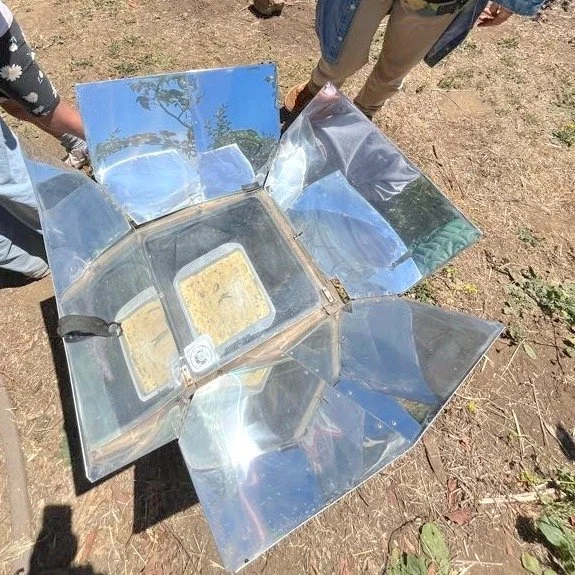
Baking lavender shortbread in the solar oven at Life Lab Summer Camp
Why We Love Solar Cooking
Solar ovens capture and concentrate the sun's energy to create enough heat to cook food. On a sunny day, they can reach temperatures hot enough to bake, roast, and steam.
For students, watching sunlight transform ingredients into a warm meal or snack makes the science behind solar energy feel real. It sparks questions like:
How does sunlight become heat for cooking?
Why does the oven work better on some days than others?
What materials help keep heat inside?
How can people cook food without electricity or fuel?
These questions naturally lead to discussions about renewable energy, climate, engineering, and the many ways people around the world use the sun in everyday life.
Ready to bring solar cooking into your own classroom? You'll find the Solar Box Challenge lesson and accompanying lab pages in our 5th Grade Energy and Change unit, along with other hands-on lessons that explore energy and change in the garden classroom. This unit is just one of hundreds of downloadable K–5 curriculum units available in the Life Lab Store for only $2 each, making it easy to bring engaging, garden-based learning into your classroom.
Make Your Own Solar Oven
One of our favorite activities is challenging students to build their own solar ovens using a cardboard pizza box, aluminum foil, plastic wrap, and black construction paper. Learn how here.
Tips for Solar Cooking
If you're trying solar cooking for the first time, here are a few helpful tips:
Choose a clear, sunny day.
Start early so the oven has time to preheat.
Point the oven directly toward the sun and adjust it as the sun moves.
Use dark-colored cookware when possible to absorb more heat.
Be patient. Solar cooking can be slower than conventional cooking, but that's part of the learning experience.
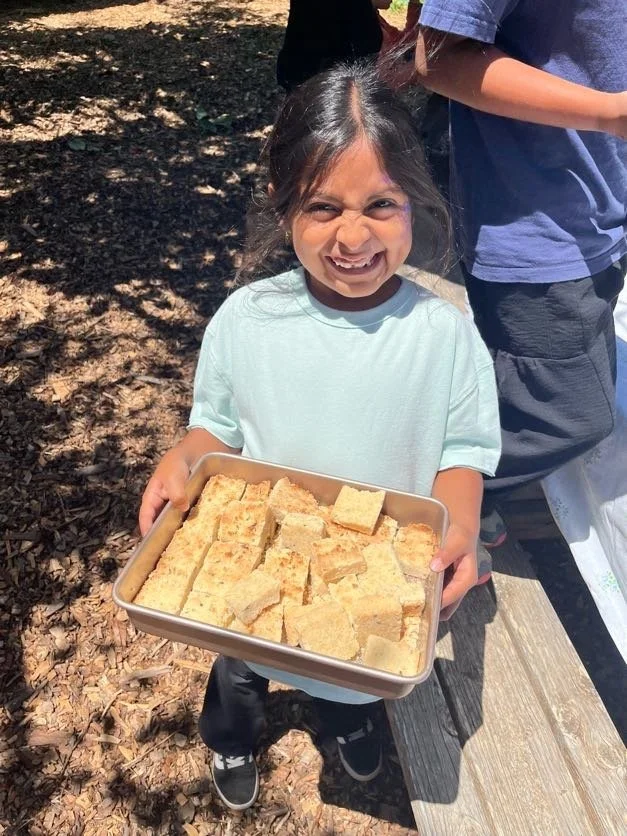
Lavender lemon shortbread, baked with the Life Lab Solar Oven. Recipe here.
Additional Solar Cooking Resources
Looking for more ideas? These organizations offer excellent information, plans, and inspiration:
Solar Cookers International, a global leader in solar cooking education and advocacy
Solar Brother's step-by-step guide for making a solar oven